Time that belongs to no one
Nov 25, 2024
/
Madrid
/
6 Min Read
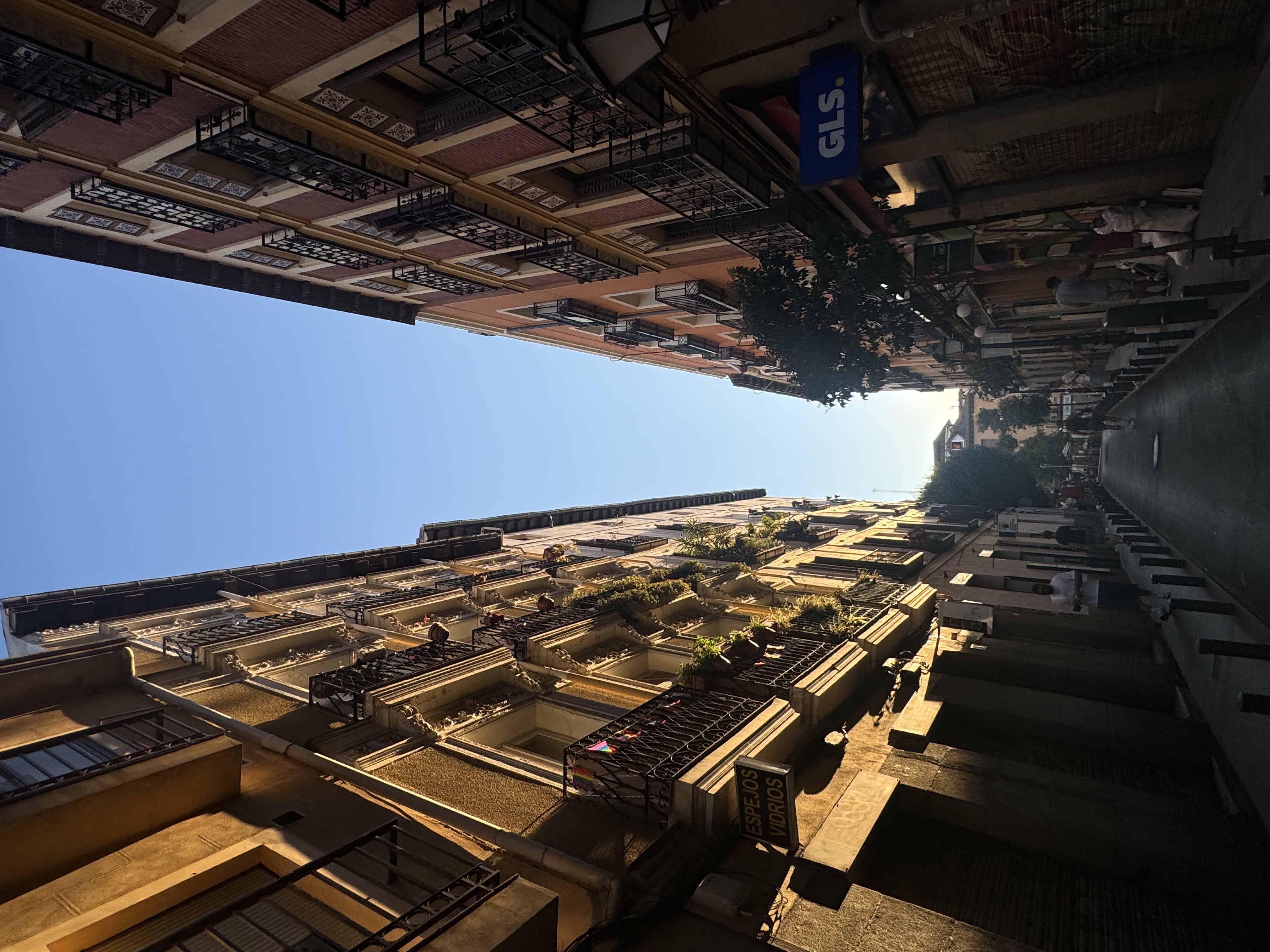
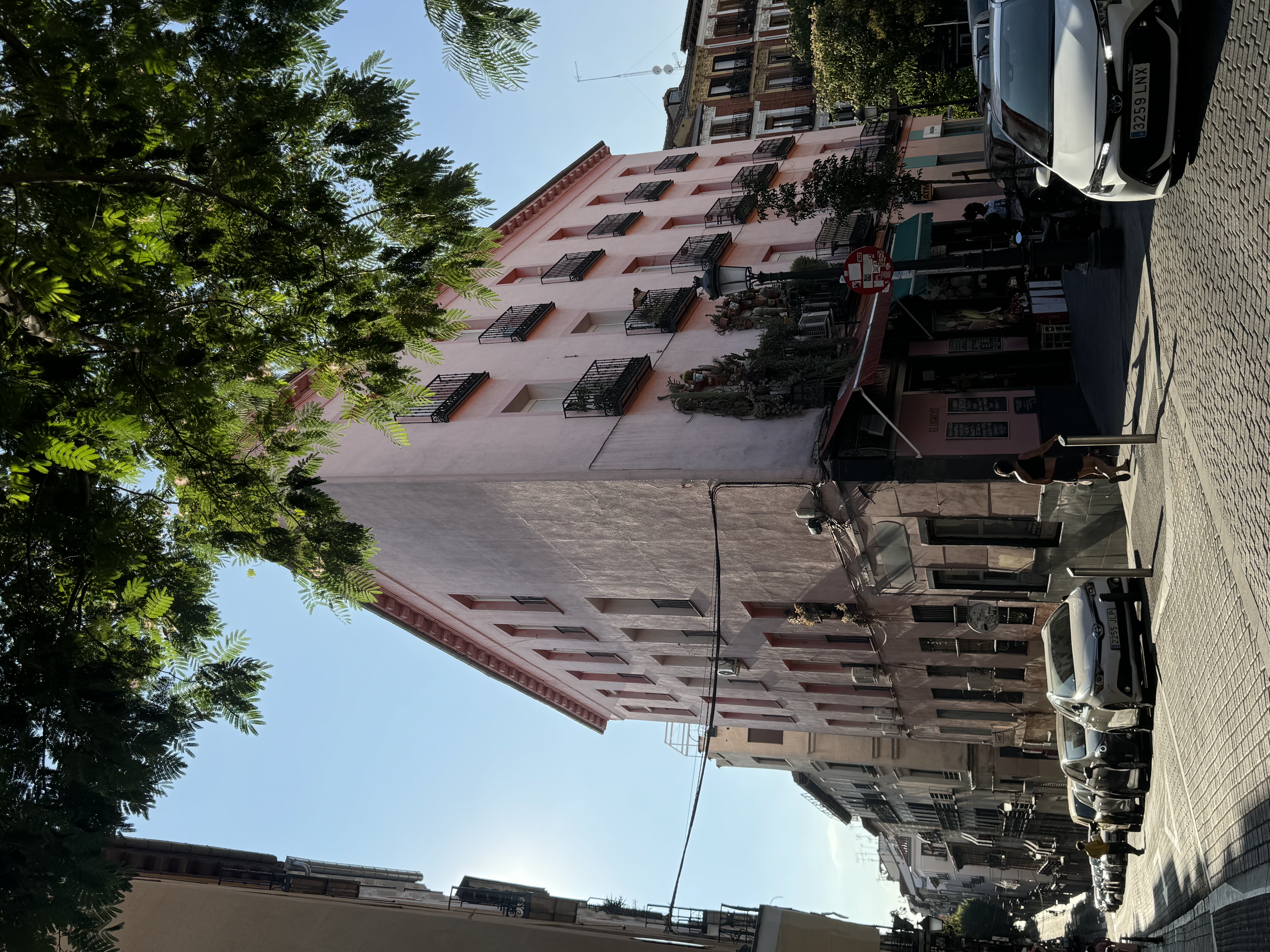
I remember the first time I understood that Spanish time was different from other time. It was a Tuesday in October, around three in the afternoon, and the street outside had gone the particular quiet that I'd started to think of as the city exhaling.
An old woman on the second floor had opened her shutters just slightly, enough for the angle of light to fall across her windowsill and her forearms. Somewhere below, someone was washing a glass. Nothing was happening, and the nothing had a texture to it - warm, unhurried, complete in itself. I had lived in Spain three months by then - invited to a Madrileño wedding within two weeks of arriving, taking law classes in Spanglish, and just getting comfortable with a siesta or two - I still didn't have the word for what I was watching. I still don't.
The afternoon in Spain has always resisted the vocabulary of productivity.
For most of the twentieth century, the hours between two and five belonged to a different kind of living - not rest in the recuperative, instrumental sense, but something closer to duration for its own sake. The day had a shape that curved around human bodies rather than around output. I don't believe this practice arrived by philosophy or intention. It arrived through history, specifically through the peculiar disaster of the sixteenth century.
When silver started pouring out of Potosí and Zacatecas after 1545, Spain became the richest country in the world almost overnight. It was also, structurally, a catastrophe. The colonial extraction machine - built on forced indigenous labor, on the mita system that worked men to death in Andean mines - funneled so much bullion back to Castile that it broke the domestic economy from the inside. The influx of bullion triggered sustained inflation across Europe, most devastatingly inside Spain itself. Castilian manufacturers couldn't compete - their goods cost too much against the cheap imports that Spanish silver could now buy from anywhere. The rational short-term response was to stop manufacturing. The Habsburg court encoded this into values: the man who extracts is above the man who builds. The hidalgo - the minor nobleman - would rather starve than be seen in trade. An entire civilization learned, across the sixteenth and seventeenth centuries, to associate wealth with taking rather than producing. That association calcified, and Spain never fully shook it.
By the time Britain was building textile factories in the 1780s and Germany was assembling the chemical conglomerates that would define the twentieth century, Spain was still managing the last of its colonies and watching its silver age recede into history. When Cuba and the Philippines were lost in 1898 - the disaster the Spanish simply call el 98- there was no industrial base to absorb the shock, no technically-skilled middle class of the kind that elsewhere became the ballast of modern society. What remained was an economy of agriculture, small commerce, the neighborhood bar, the mercado, the plaza. An economy whose transactions happened between people who knew each other, whose daily rhythm followed the logic of human bodies rather than capital, and whose relationship to time had never been reorganized around the factory whistle.
That rhythm had a time signature: A long midday, an afternoon that belonged to something unscheduled, and an evening that started late and went longer than it should.
The bar was the hinge that held it together.
I know this sounds sentimental, I'm not a drinker anymore, but I've always been helpless in front of great spaces, great music, and great company. The bar is where the man who lives alone on the fourth floor has his one daily conversation. Where the worker eats a hot meal he couldn't afford to cook. Where the unemployed have somewhere to be. Where gossip moves - which is to say where local knowledge moves, where the informal understanding of who needs what circulates without anyone having to file a form. The bar was doing social work that no institution was counting and no institution was prepared to replace. It was infrastructure that looked like leisure, which meant it was invisible to everyone who thought about infrastructure.
Spain is losing its bars. Rising rents, financialized real estate, the same forces that have made Barcelona and Madrid into cities people visit rather than cities people live in. The bars close quietly. The old men find nowhere to go in the mornings. The afternoons start to look like afternoons everywhere else.
I find myself thinking about what that Tuesday in October was actually made of.
The woman with her forearms in the light. The washed glass. The exhale of the street. A civilization that had arrived, through poverty and misfortune and colonial burn-out, at a way of organizing time that turned out to be quietly radical.
Those hours belonged to no one - not to output, not to capital, not to the logic of anything useful.
Just to the people inside them.
That, it turns out, is an extraordinary thing to build.